
"It's everything! It's everyone! We are all - guilty"
My thoughts on G.W. Pabst's 1930 anti-war film, Westfront 1918.

Whenever I hear the name G.W. Pabst, I think of the allusion to him in Quentin Tarantino's Inglorious Basterds, with the line uttered by Michael Fassbender's Lieutenant Archie Hicox.
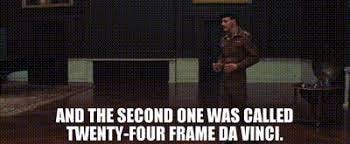
However, I wasn't familiar with his work, really at all. I decided to dabble in this by watching Westfront 1918. The film, focuses on the lives and experiences of German infantrymen fighting in the front during the First World War and depicts something of the reality of the fighting of that war and something about the horror of war in general (to the point where when the Nazi's assumed power in Germany they banned the film and propaganda minister Joseph Goebbels pointedly decried it).
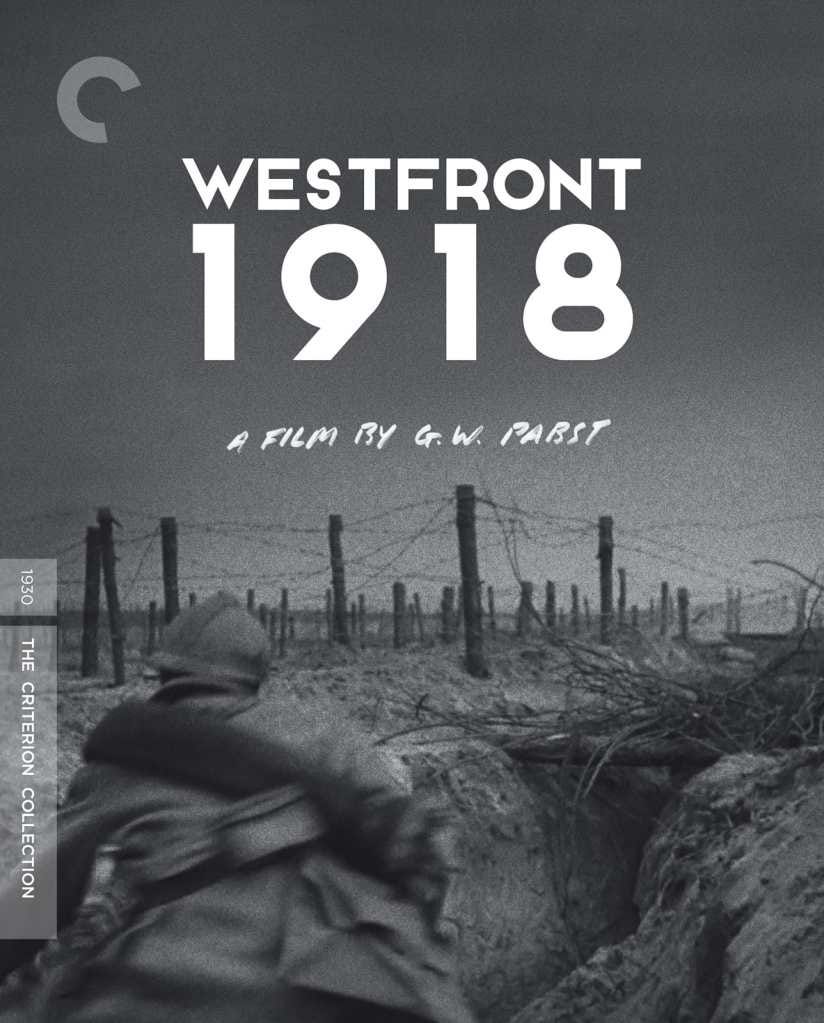
Even in the context of post-World War I and texts like All Quiet on the Western Front, Westfront 1918 is a jarring film that depicts the horror of war as authentically as possible. Lucy Sante's essay for the Criterion Collection does a excellent job of highlighting the points of comparison and contrast between Pabst's film and a contemporaneous adaptation of that famous German anti-war novel:
Westfront 1918 came out almost simultaneously with Lewis Milestone’s adaptation of Erich Maria Remarque’s novel All Quiet on the Western Front, which it resembles in many outward particulars: it is set on the German side; it focuses on a tight unit; it is structured so that a character’s furlough falls halfway through the film and separates everything into before and after; it kills or maims all its principals by the end. The differences between the two films, meanwhile, are instructive. Milestone’s picture, a huge international hit, had Hollywood financing and Hollywood equipment; its cast, including extras, ran to the hundreds, whereas that of Westfront 1918 is in the dozens. Furthermore, All Quiet serves up moral lessons and engages its characters in philosophical discussions. There are no discussions of much moment in Westfront 1918, and its only formulated message comes in its very last shot. And Pabst’s movie is much smaller-scale, having disturbed maybe a couple of acres of ground and demanded only three or four sets to be built, yet its setting is more viscerally credible than that of the Milestone picture, perhaps because it is that much more intimate. And, unlike a Hollywood movie rigged with moments of comedy and romance to appeal to the broadest swath of viewers, it does not let up for long from its bleak intensity of purpose.
I think specifically about this sentence, "Furthermore, All Quiet serves up moral lessons and engages its characters in philosophical discussions. There are no discussions of much moment in Westfront 1918, and its only formulated message comes in its very last shot." Both texts depict the hellishness of this war, but All Quiet is attempting to come to some kind of moral, to make some kind of point. Westfront is just showing the hellishness and does not seem to say anything about it beyond that it is hellish. It shows the atrocity but, in showing it as plainly and directly as possible, does not have to comment upon or elucidate the related ideas.
I took a class in my masters program that focused on World War I in literature and art (including film), and we watched that 1929 adaptation of All Quiet. Looking back on it, I wish we'd watched Westfront 1918 as I think it's a little bit more... I don't know if interesting is necessarily the right word, but would give an even richer text to talk about alongside those major literary works. There's a scene in which the German troops who are the focus of the film's narrative are being fired upon, though it's friendly fire (coming from their own men), which reminds me of similar moment in A Farewell to Arms. There is this highlighting of the confusion of this war and how little those fighting it really matter. They are just pieces on the chess board. If they are fired on by their own forces, that's fine.
Sante's final paragraph too makes some illustrative and useful points about the film:
Westfront 1918 does a signal job of conveying the fear, monotony, dirt, and exhaustion of the trenches, the boredom and uncertainty so poisonous that men would risk their lives just to leave the holes in which they were stuck. The camera is stationary in the trenches but runs wobbling along the surface up top with the soldiers. You see the blackout at night and the whiteout in daytime, hear the unsettling clicks and whirs that fill the silences between blasts. The process takes its toll on the viewer, who has been accorded ninety-six grimly visceral minutes of the outward signs of war. What the movie does not do is take any larger view. The men at the front are being butchered on both sides; at home, the people starve. No one, apparently, is to blame. War is a natural disaster, an act of God, though perhaps it could be alleviated if only we learned to love one another.
One shot of the fighting holds the camera almost remarkably steady and stationary, as if to highlight the unimportance of the men fighting the war itself. You're expecting that camera to move at least somewhat, but Pabst holds it exactly where it is.
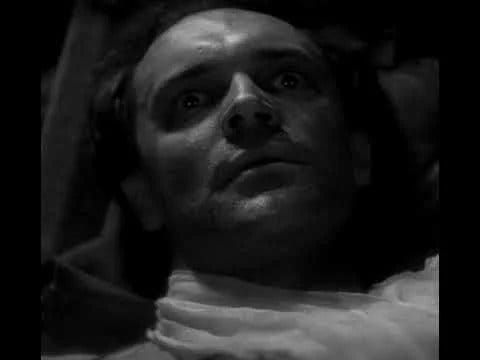
The final moments of the film, showing an infantry hospital and all the wounded (both physically and mentally) within it, was another aspect that leapt off the screen and stayed with me after my viewing had ended. The madness, the chaos, the carnage in that space all feels so visceral and real in a way that's striking for a film of the 1930s. The lighting used with the character of Karl as he is in that hospital and how it makes him seem so grim almost like a skeleton.
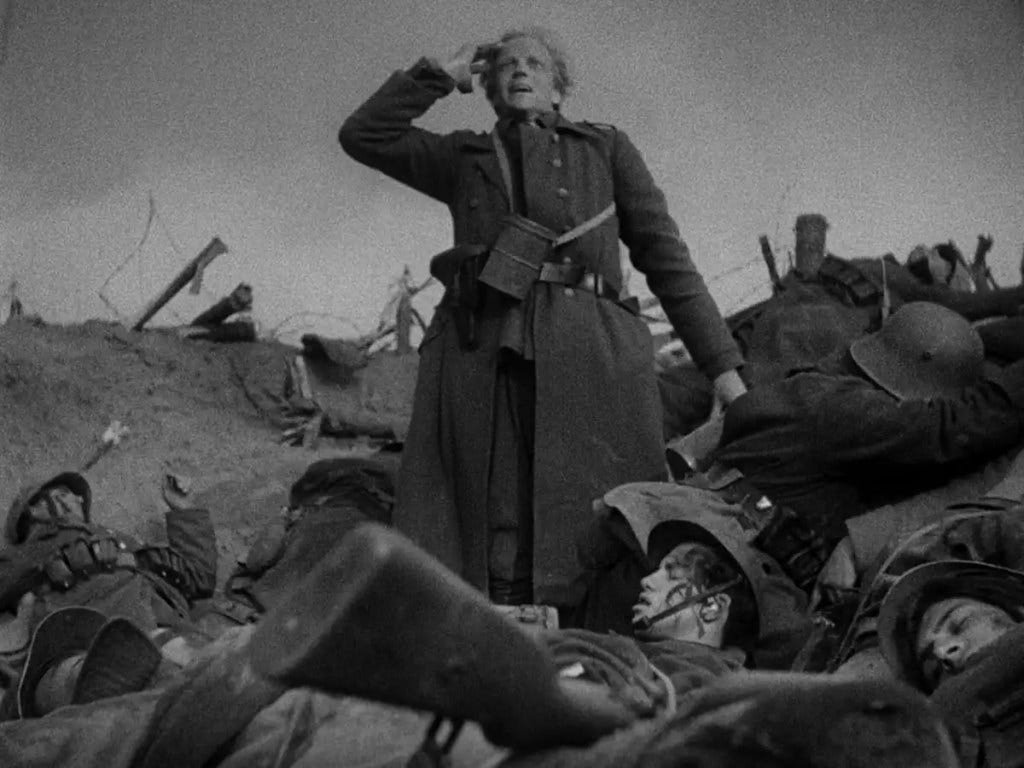
I also think about the Lieutenant's psychological breakdown in those final moments too, how upsetting that is as it presents the mental torments that come along with fighting a way such as this .
For those interested in depictions of war on film as well as the art and literature of World War I, I would highly recommend watching Pabst's Westfront 1918. Though we are 95 years away from its release, the ways in which it depicts the reality of warfare for those conscripted to fight it remains notable and arresting.