
Review: Mr. Scorsese
Assessing Rebecca Miller's documentary series on the legendary filmmaker for Apple TV+

Martin Scorsese is not just my favorite filmmaker (by a wide margin too), but he's one of my favorite... artists in any medium. By that, I mean I place him alongside my favorite authors and poets (as a broad practitioner/believer in auteur theory, I would certain say he is a kind of author). I bring all this up when it comes to considering the new Apple TV+ five-part documentary series Mr. Scorsese, directed by Rebecca Miller (wife of Daniel Day-Lewis, star of multiple filmed directed by Scorsese).
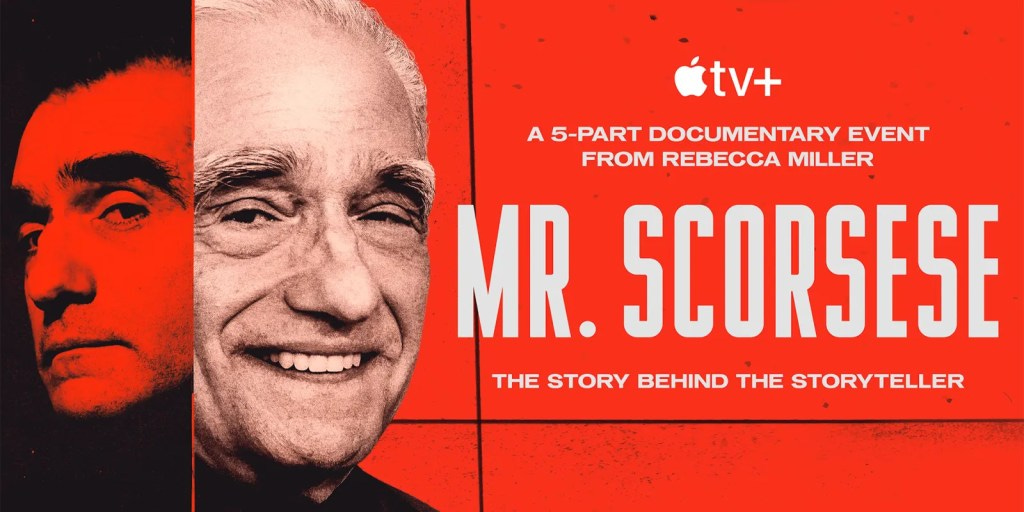
Not surprisingly, I thought this documentary was excellent. Of course I would, it delves deeply into the life of one of my absolute favorite creators with an extensive range of interviews and insight into his art. Assessing this is going to be just about impossible in any objective sense. This was engineered in a laboratory for me to love it. But while there was likely no way at all I wasn't going to love this, I can still assess it.... if not objectively, then with an eye for what distinguishes it from something that only the avid, obsessive Scorsese fanatic would enjoy. Even if I take off my rose-tinted glasses, there's so much to Mr. Scorsese that I feel quite comfortable in recommending it to just about anyone.
It perhaps goes without saying given that it's an Apple Films production, but the style and production values of Mr. Scorsese are both outstanding. The look, the incorporation of clips from Scorsese's films, the talking head interview setups, they all look great and fit in seamlessly. The people Miller featured as taking head interviews--Paul Schrader, Jay Cocks, Spike Lee, Robert DeNiro, Jodie Foster, Isabella Rossellini, Daniel Day-Lewis, Leonardo DiCaprio, Steven Spielberg, Brian DePalma, just to name a few--are all outstanding.
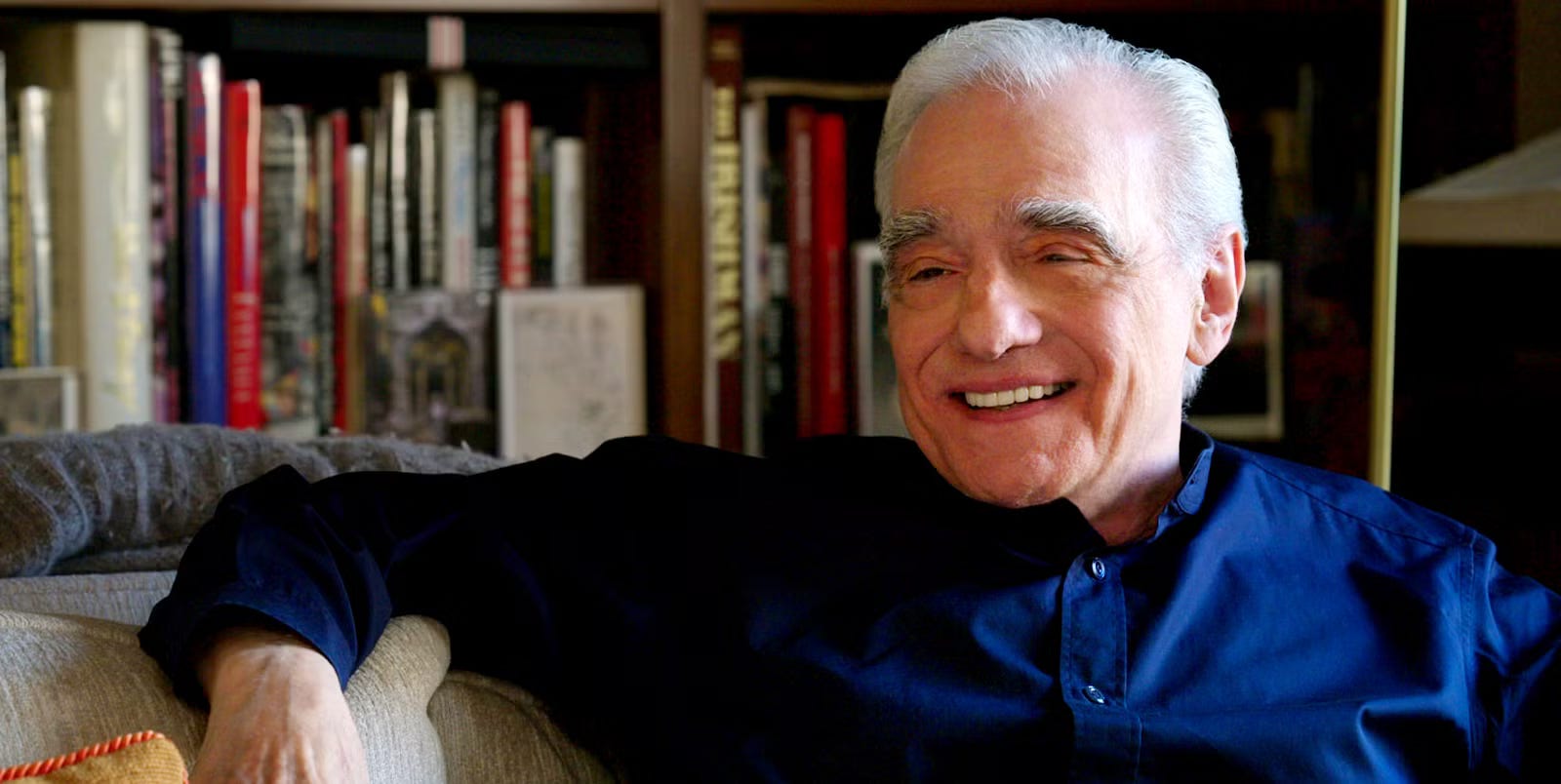
It's also quite revelatory to have contributions from the friends Scorsese grew up with in New York (including Sally Gaga, who was in many ways the basis for the Johnny Boy character in Mean Streets). While we have this sense of the world that Scorsese comes from, I don't think I've ever heard that much from the people who were right there with him. We also had contributions from Scorsese's children, and of course perhaps the most insightful coming from Scorsese himself. Miller has amassed an extensive and wide-ranging collection of individuals who can help us to gain a more complete picture of Scorsese. It's a testament to director Miller's scope and vision to bring in all these voices and get so much great material from them.
Speaking of Scorsese himself, one of the moments that was very striking was Scorsese talking about the sixties, his growth and development, and the ways in which hearing the hierarchy of the Catholic Church not standing up to the Vietnam War really disillusioned him. Sometimes I think of Scorsese as being so divorced from history, outside of it and in his own world, but you get these moments in the documentary where you see how these outside factors affected him.
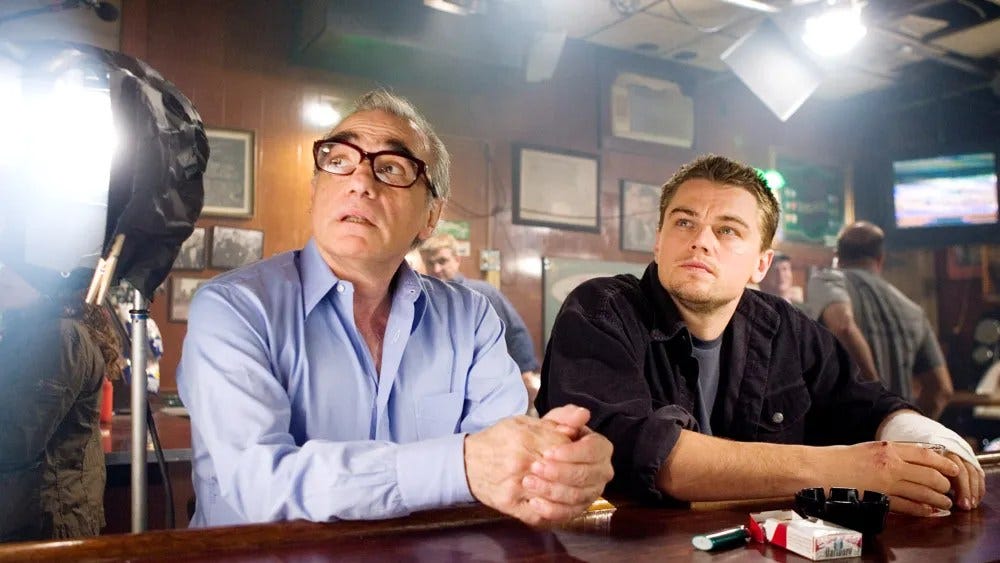
You also get this in the final episode in which Scorsese talks about The Departed and how it reflects coming from the moment of the Iraq War and Patriot Act. While the specter of the War on Terror and Iraq hangs over that film in many ways, I hadn't made those connections. Scorsese also, in the section on Gangs of New York, connects the ideology of Bill the Butcher and his gang to some present analogues (which he's done before, but here Scorsese really hits the nail on the head).
Scorsese also tells a story that is quite illuminating. Scorsese remembers burying a friend from his neighborhood who dies young and realizing that the cemetery was in the shadow of a canning company nearby and highlighting how capital doesn't really care what happens to people. These are all things that savvy viewers of his films knew he was engaging with (the way in which money/power dehumanizes, destroys, and doesn't really care), but that perhaps needed to be stated explicitly by him (and so, hopefully, people will stop watching The Wolf of Wall Street as some kind of aspirational narrative one is meant to follow). While Mr. Scorsese is a great record and a kind of cinematic tribute to this great figure in film history, I think having him provide this explanations and articulations will go a long way in helping later generations accurately grasp and understand what he was trying to do through his cinematic art.
The only thing that was "frustrating" about Mr. Scorsese was that... well, I wanted more. I honestly would've watched an episode on each of Scorsese's films and that time in his life. I felt like there was so much more to say about Color of Money, Last Temptation of Christ, Goodfellas (somehow!), Hugo (which wasn't even considered), Silence, and The Irishman. No appearances from Willem Dafoe, Harvey Keitel, Andrew Garfield... But I understand that this could not be something infinitely long and that choices had to be made in terms of where to stop and what to cut, so I don't think it holds the documentary back at all. But I felt like there was still a good bit of proverbial meat on the bone that Miller could've explored.
Rebecca Miller's Mr. Scorsese is something I cannot recommend highly enough and was well worth the wait as we were able to get such an insightful documentary look in Martin Scorsese's career as he enters this remarkable final stage. Mr. Scorsese is something I would recommend to.... just about anyone. The Scorsese die hards and true believers (like me) will love it and find something interesting to grab onto. All film goers, from the most casual to the more dedicated will enjoy it. I think it would provide an excellent introduction to someone who was not familiar with Scorsese's work and wanted to learn a bit more before digging in. Also, if someone is just a fan of.... great artists and great art, they will find a lot to like within Mr. Scorsese.