
Anora: "I'm just gonna go chill in my mansion or whatever, you know, no big deal!"
Thoughts on Sean Baker's film that dominated the 2025 Academy Awards.

Sean Baker’s Anora was the star of the 2024 award season, and having watched it I can certainly see why. It features a captivating lead performance and bravura filmmaking.
The synopsis of the film from IMDB lays out the film and its premise pretty clearly:
Anora, a young stripper from Brooklyn, gets her chance at a Cinderella story when she meets and impulsively marries the son of an oligarch. Once the news reaches Russia, her fairytale is threatened as the parents set out for New York to get the marriage annulled.
Mikey Madison won the Best Actress Oscar for her performance as Anora, or Ani as she likes to be called, and it was certainly worthy of it given how much she is on the screen. She is the movie, the locus, the focal point. For this film to work, she needs to be perfect. Like most everyone, I probably knew Madison just as Susan Atkins in Quentin Tarantino’s Once Upon a Time in Hollywood, so she was still a bit of an unknown quantity to me (having not seen 2022’s Scream). Madison brings so many different elements the character where she’s equally hilarious, aggravating, and sympathetic. There’s a great deal that this movie has going for it, but above all is Madison and her performance.
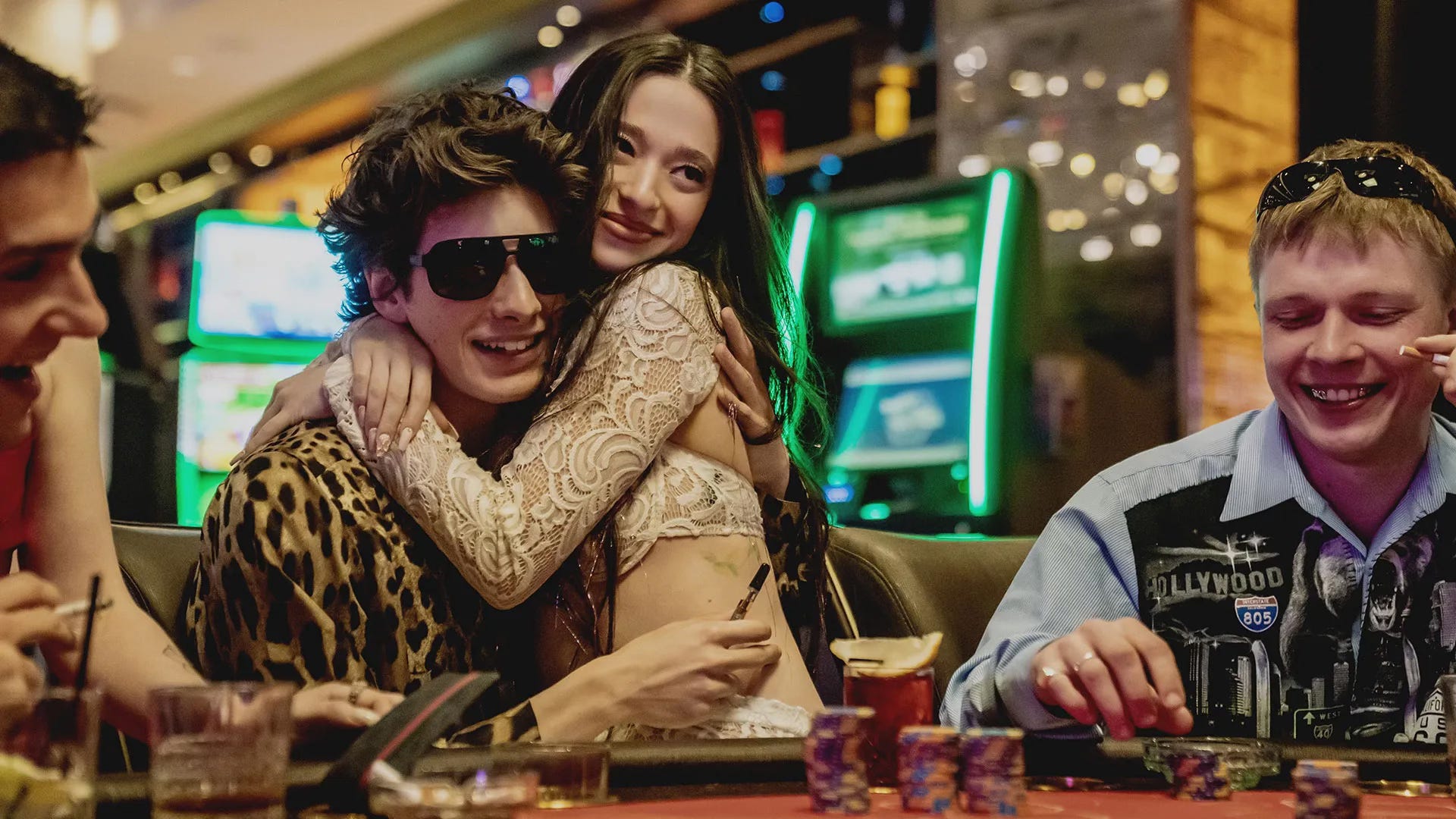
Mark Eydelshteyn plays that son who impulsively marries Ani and he captures the kind of unaware, capricious nature that the son of a Russian oligarch would have. Yura Borisov, who was nominated for a Best Supporting Actor Oscar, plays one of the men tasked with getting this marriage annulled and brings both comedy and pathos, serving as perhaps not an audience surrogate but a sympathetic figure for us to hang onto.
It’s also amazing to note that Baker not only wrote and directed this film, but also edited. Baker won Oscars for all three of those jobs. To have one person write, edit, and direct a film, and to do so at such a high level to win those awards, is quite the accomplishment. The cinematography, courtesy of Drew Daniels, is also exceptional and the film captures the glamorous locales (Las Vegas, opulent mansion parties) to the more grounded Brooklyn scenes. It’s a film that runs the visual gamut from the most stunning to gritty and unpleasant.
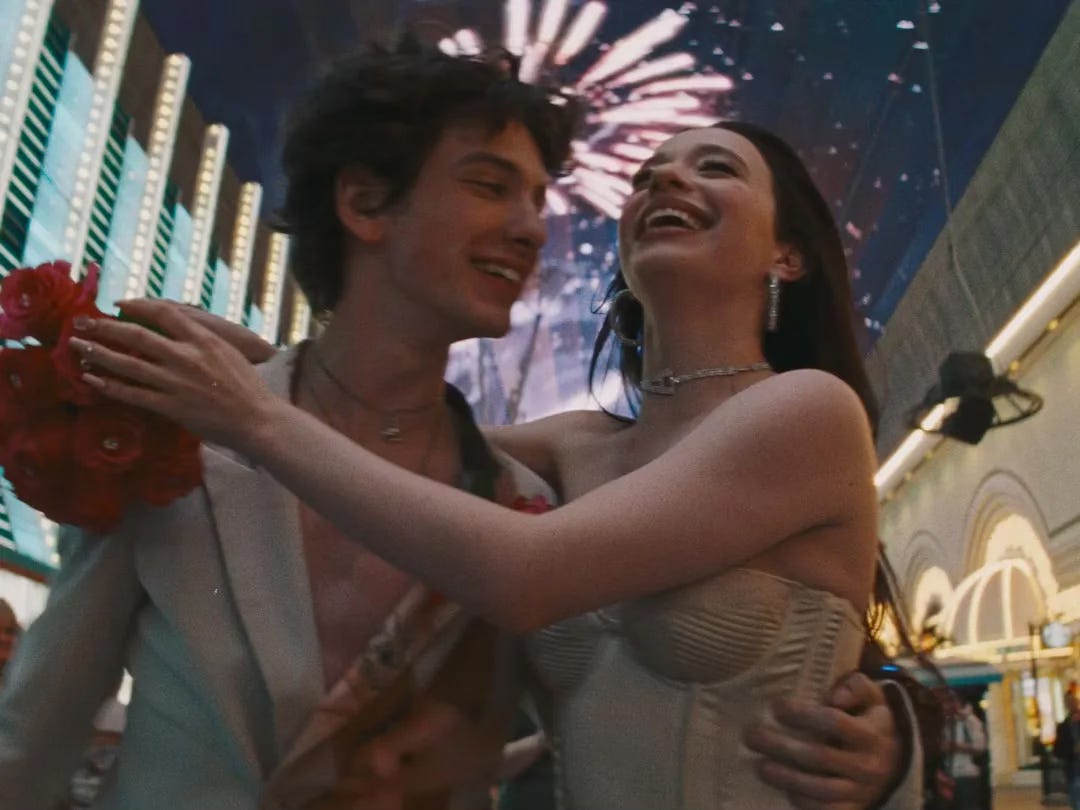
As I wrote about in my Letterboxd review, Anora is a blend of Pretty Woman and After Hours as well as a dash of Boogie Nights in there too. I do think there’s a lot that it has to say about what we value in America, especially the younger generation coming up. There are also elements to the film that feel like a modern update on the screwball romantic comedy of the early decades of the twentieth century. Is Madison giving us an updated version of the Hawksian girl? I also think what Justin Chang noted in his review of the film for The New Yorker is apt:
But would it be more or less sacrilegious to invoke Preston Sturges, the most class-conscious and marriage-minded of screwball auteurs? Like Sturges, Baker grasps how the clashing priorities of love, sex, money, and status can send an impulsive romance spiralling into matrimonial anarchy.
I wondered if the film was beloved merely because of some kind of prurient sensibility in filmgoers given that it tells of the story of a sex worker, but Anora is about much more than that. It doesn’t have the raw energy of Boogie Nights or the lightness of Pretty Woman. I honestly feel like the third act, the most After Hours-y portion of the film, kind of drags on and does not sustain the more energetic and captivating earlier components. But it’s ultimately a fascinating examination of what we value, what we’ll do to get it, and what love and sex mean in our increasingly transactional and materialistic world.
If nothing else, Anora stands as a star-making turn for Madison and a clear statement of Baker’s authorial voice. I’m not entirely convinced it will age as well as its awards haul might suggest, and I do wonder how it will look in hindsight. But it is an undeniably interesting film—one that challenges, provokes, and pushes its audience in ways that feel increasingly rare.